In an increasingly connected world, how we relax, have fun, and unwind has been transformed by the internet. From streaming videos to social media, from e-books to virtual events — leisure has gone digital. More and more people are turning to online experiences not just for convenience, but for excitement, socialization, and the unpredictable thrill of the unknown. In this evolving landscape, one trend stands out: online gaming, particularly — for better or worse — online slot games.
This article explores how digital leisure has reshaped entertainment, why online gaming draws huge audiences, the appeal and controversies of “instant-win” games, and offers a closer look at one emerging concept within online slots: slot gacor
Digital Leisure: Entertainment Without Borders
Convenience and Access
Gone are the days when a night out meant traveling to a cinema or a concert hall, or waiting for a TV schedule. Today, with a few taps on a smartphone or clicks on a laptop, you can stream a blockbuster movie, join a live-stream concert, play a game, or read a book. The democratization of content means entertainment is accessible anytime, anywhere — as long as there’s an internet connection. This ease of access has driven the shift from traditional leisure to digital leisure for millions around the globe.
Variety and Personalization
Digital platforms offer incredible variety. Whether you enjoy quiet reading, immersive gaming, interactive storytelling, or social gaming with friends, there’s something for everyone. Algorithms tailor recommendations to your tastes; one day you might binge a drama series, the next you dive into a strategic game, and the day after you explore virtual social spaces. This personalization makes digital leisure deeply satisfying because it adapts to your mood, preferences, and schedule.
Social Connection in a Virtual World
The internet doesn’t just deliver content — it connects people. Online leisure often involves communities: gamers teaming up, viewers chatting during streams, book clubs meeting virtually. For people separated by geography or busy schedules, these digital sociable spaces offer an appealing alternative to physical gatherings. In many ways, online leisure becomes more than just a solitary pastime — it becomes a shared, social experience.
The Allure of the Unexpected
One of the biggest draws of digital experiences is unpredictability. Whether it’s a game, a social interaction, or a live event, there’s always a chance something surprising will happen. In a world that can sometimes feel routine, this element of randomness — the unknown outcome — is exciting. It triggers curiosity, engagement, and even a little adrenaline.
This unpredictability underpins a booming segment of digital leisure: online gaming. And within that, a subset has gained notoriety — online slots.
Online Slots: Between Fun, Risk, and Controversy
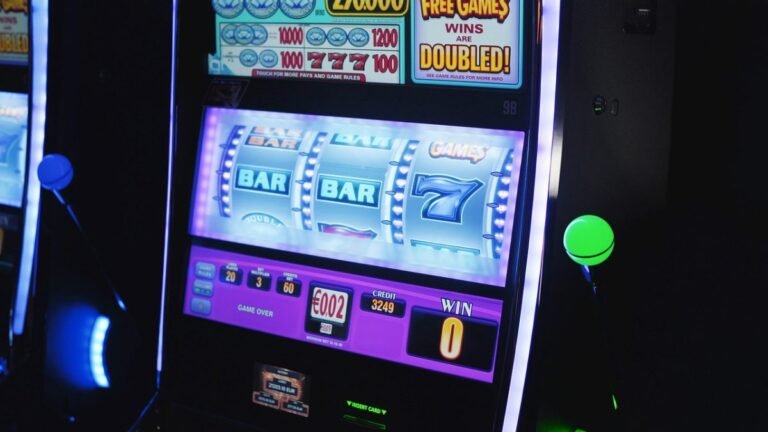
Online slot games — digital versions of classic casino slot machines — have exploded in popularity over the last decade. They promise quick gameplay, instant results, easy access, and often a dose of fantasy (themes, animations, sound effects, bonus rounds). For some, it’s a form of entertainment; for others, it becomes a habit, sometimes even an obsession.
There are good reasons for their popularity:
- Instant gratification: Spin the reels, and within seconds you know if you win or lose. No long wait times, no complicated rules.
- Low entry barrier: Many slots allow small bets. You don’t need to be a high roller to play — which makes them accessible to a broad audience.
- Escapism & excitement: Graphics, sound, bonus rounds — all combine to create an immersive, adrenaline-driven experience.
But there are downsides and serious concerns: gambling addiction, financial loss, misleading expectations, and the danger of treating it as a source of income rather than entertainment. The ease and anonymity of online platforms can make these risks even more severe.
Amid this tension — between fun and risk — arises a concept that many players talk about: the so-called “hot” slot — or in some communities: slot gacor.
What Is “Slot Gacor”? A Closer Look
Origins and Meaning
The term “gacor” comes from Indonesian slang, originally used to describe a bird that sings loudly and frequently. Over time, gamblers adopted the term to describe slot machines that appear to be “hot” — paying out wins frequently or giving bonuses repeatedly. So a “slot gacor” is loosely understood as a slot game currently offering repeated wins or behaving generously.
In simple words: when players say a slot is “gacor,” they refer to a perceived hot streak — a swing of frequent payouts, bonuses, or wins.
What Players Associate With Slot Gacor
Although “gacor” is not an official classification, certain features make a slot more likely to be labeled as such:
- High RTP (Return to Player): Slots with a higher theoretical return are often believed to be more generous over time.
- Bonus rounds and features: Games with frequent bonus rounds, free spins, multipliers, or extra features tend to get the “gacor” reputation, especially if bonuses are triggered often.
- Volatility & frequent small wins: Some believe that a slot with medium or low volatility — which pays smaller wins but more frequently — feels more “gacor.”
- Community feedback & timing: Players often share which slots appear “gacor today,” or at certain times. This social buzz contributes to the slot’s reputation among peers.
What “Slot Gacor” Isn’t: Myths vs Reality
It’s important to clarify what slot gacor does not guarantee. Good slot machines — online or offline — are built on something called a Random Number Generator (RNG). This ensures each spin is independent and unpredictable, in principle. That means no matter how “hot” a slot feels now, the next spin is still random.
So the idea of a permanently “gacor” slot — or one that gives guaranteed wins — is a myth. Slot gacor is more about perception, patterns from previous spins, and sometimes psychology (when players have a few wins in a row, they expect more).
Players often fall for the “gambler’s fallacy” — believing that a slot paying out recently will continue to do so. That’s not how RNG works, even if the game feels generous in a session.
Why the Concept Persists
Despite the randomness, the idea of slot gacor remains popular — largely due to human psychology and community reinforcement:
- Psychological appeal: Winning, even small amounts, triggers dopamine — the brain’s “reward chemical.” So many play hoping to replicate that high.
- Community validation: When a group of players says “this slot is gacor right now,” it builds a shared belief. People try the same games, adding to the hype.
- Hope & anticipation: The idea of hitting a “hot” slot, of striking big, keeps people engaged — even if odds are unchanged.
In many ways, slot gacor embodies the thrill of chance, luck, and the social aspect of shared hopes.
Digital Leisure, Risk & Responsibility: What We Mustn’t Forget
As online leisure — including slot gaming — becomes more prevalent, it’s vital to approach it with awareness and responsibility. There are some important principles to keep in mind:
- Understand the odds: Every spin is random. Wins are never guaranteed. What seems like a hot streak is just variance.
- Set limits: Whether time or money — decide beforehand how much you’re willing to spend or how long you plan to play.
- Treat it as entertainment, not income: Slot games should be viewed as leisure, not a way to make money or solve financial problems.
- Be aware of psychological bias: Luck can feel like skill sometimes. Don’t chase losses thinking a slot will become “gacor.”
- Know when to step away: If play becomes compulsive, or if losses mount — it’s time to pause or stop.
Digital leisure can be fun, engaging, and social — but also risky. Awareness is key.
Why This Matters Today
In 2025, digital entertainment isn’t just a substitute for traditional leisure — for many, it is leisure. With increasing smartphone penetration, faster internet, and global connectivity, people everywhere engage in games, streaming, socializing, and online communities.
Languages and terms also travel and evolve. What began as a slang word for a singing bird in Indonesia — “gacor” — has now become a widespread term in online slot culture. It shows how global digital culture is: ideas, words, habits spread fast and mutate. (Hence my inclusion of a “slot gacor” explainer here.)
But as the world embraces more digital leisure, it also demands more responsibility — awareness of randomness, of risk, of boundaries.
About the Author