Introduction: A Song That Refuses to Fade Away
If there’s one song that has truly stood the test of time—not just in music charts but in internet history—it’s “Never Gonna Give You Up” by Rick Astley. Originally released in 1987, the song quickly became a global hit. But what makes it so special is that, decades later, it’s still relevant, not only as a catchy pop tune but also as a piece of internet culture that has spawned one of the biggest memes ever: Rickrolling.
At first glance, “Never Gonna Give You Up” seems like just another upbeat 80s pop song with synths, dance beats, and cheesy romance lyrics. Yet somehow, it’s so much more. It’s a song that has transcended generations, finding new meaning every few years. From dance floors to meme culture, it’s managed to stay fresh and fun—a rare feat for any song.
This article explores how “Never Gonna Give You Up” rose to fame, became a cultural phenomenon, and continues to thrive in today’s digital age. Whether you love it or laugh at it, one thing’s for sure: Rick Astley’s hit truly lives up to its name—it’s never gonna give you up.
The Rise of Rick Astley: From Small Town Singer to Global Star
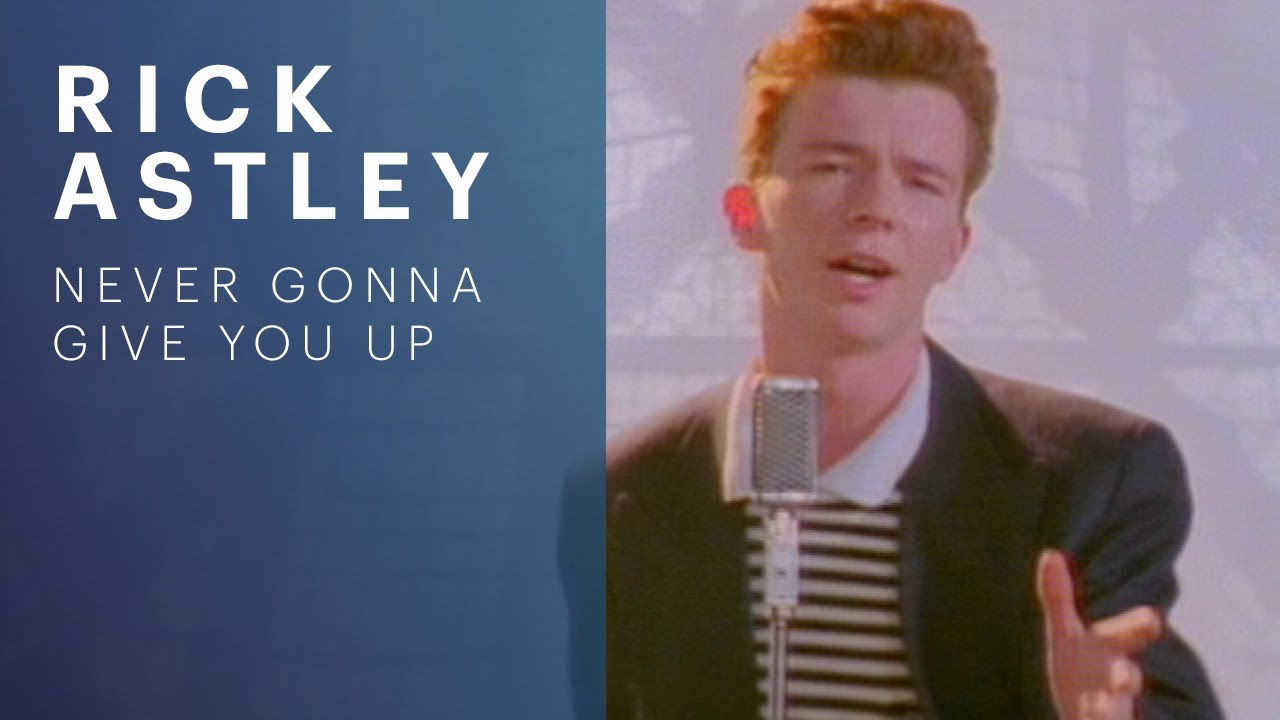
Never Gonna Give You Up Rick Astley’s journey to fame started in the small town of Newton-le-Willows, England. Born in 1966, Rick didn’t initially plan on becoming an international sensation. He started out as a drummer for a local band, playing gigs in clubs while working odd jobs. His distinct voice—a surprisingly deep and soulful baritone—eventually caught the attention of producers Pete Waterman, Mike Stock, and Matt Aitken, the powerhouse trio behind the Stock Aitken Waterman production company.
They quickly realized Astley had something unique. Despite his young age, he possessed a voice that sounded mature and commanding. This led to the creation of “Never Gonna Give You Up,” which was released in July 1987. The single skyrocketed to the top of the UK Singles Chart and later conquered charts in 25 countries, including the U.S. Billboard Hot 100.
For Rick Astley, fame came almost overnight. He went from an unknown artist to a global pop icon. The combination of his smooth voice, catchy melody, and charming personality made him an instant favorite among fans worldwide. It was the start of a career that, though it had ups and downs, would eventually circle back thanks to the power of the internet.
The Song That Defined the 80s Pop Sound
There’s something about “Never Gonna Give You Up” that just screams 1980s. The song perfectly captures the era’s love for bright synths, punchy drum machines, and optimistic lyrics. It was produced with the signature “Stock Aitken Waterman” sound—a blend of disco-inspired beats, pop hooks, and glossy production that dominated charts throughout the decade.
Musically, the track is built around a simple yet irresistible chord progression. Its upbeat tempo, danceable rhythm, and instantly recognizable melody make it one of the most memorable pop songs of all time. Rick’s deep, soulful voice adds an unexpected twist—when you first hear it, you don’t expect such power from someone who looks so young and clean-cut.
Lyrically, the song is pure positivity. It’s about loyalty, love, and commitment—the kind of romantic optimism that made 80s pop songs so iconic. Lines like “Never gonna let you down, never gonna run around and desert you” became more than just lyrics; they turned into cultural catchphrases. Even today, the song has a kind of feel-good energy that makes people smile the moment it starts playing.
The Birth of Rickrolling: How a Meme Revived a Legend
Fast forward to 2007—two decades after the song’s release—and suddenly, “Never Gonna Give You Up” was everywhere again. But this time, not because of a music comeback. Instead, it became the center of one of the biggest internet pranks ever: Rickrolling.
Rickrolling started as a simple bait-and-switch meme. Someone would post a link promising exciting content—like a new game trailer or exclusive footage—but instead, it would redirect to Rick Astley’s “Never Gonna Give You Up” music video on YouTube. The prank spread like wildfire. It became an inside joke among internet users, symbolizing harmless trolling and online humor at its best.
The meme breathed new life into Rick Astley’s career. Millions of people—many too young to remember the 80s—were suddenly introduced to his music. Astley himself handled the whole phenomenon with humor and grace. Rather than being annoyed by the prank, he embraced it, often joining in on the fun during interviews and live performances. The Rickroll became not just a meme but a cultural milestone—a perfect blend of nostalgia and internet creativity.
The Internet’s Love Affair with “Never Gonna Give You Up”
There’s no denying that “Never Gonna Give You Up” holds a special place in internet culture. It’s more than just a meme—it’s a shared experience. Everyone who’s been online long enough has probably been Rickrolled at least once, and instead of getting angry, most people laugh. That’s the beauty of it: it’s a joke that unites rather than divides.
What’s even more fascinating is how the song continues to evolve with time. It’s been used in countless videos, memes, and even commercials. In 2021, Rick Astley collaborated with various brands and creators to celebrate the 34th anniversary of the song. Each time, the internet rallies around it, proving that the world isn’t done with “Never Gonna Give You Up” just yet.
The song also represents something deeper about online culture. It shows how old media can find new life in digital spaces. In a way, Rick Astley’s song bridges generations—older fans appreciate it for nostalgia, while younger ones love it for its humor and meme value. Few songs can claim that level of versatility.
Rick Astley’s Comeback and Legacy
Thanks to Rickrolling, Rick Astley experienced a massive career revival. Suddenly, he wasn’t just a one-hit-wonder from the 80s—he was a beloved internet icon. The renewed attention led to a resurgence in his music career. Astley began touring again, releasing new albums, and gaining millions of new fans worldwide.
His 2016 album “50” debuted to critical acclaim, proving that he was more than just the “Rickroll guy.” The album showcased his songwriting skills and genuine musical talent. It reminded people that behind the meme was a dedicated artist who had never truly gone away.
Today, Rick Astley is both a nostalgic figure and a symbol of internet positivity. He’s performed at massive events, collaborated with younger artists, and maintained a close connection with his online audience. In every performance, there’s always at least one moment when the opening notes of “Never Gonna Give You Up” play—and the crowd goes wild. It’s proof that some songs truly never die.
Why “Never Gonna Give You Up” Still Matters Today
You might wonder why “Never Gonna Give You Up” still matters in 2025. The answer is simple—it’s timeless. The song’s message of loyalty and joy is universal, and its catchy tune never fails to lift people’s spirits. Even in a world full of constant change and digital overload, something about its simplicity feels refreshing.
More than that, it represents the power of nostalgia. People love to revisit the past, and this song offers that comfort. It’s a reminder of a time when pop music was unapologetically cheerful. And thanks to the internet, it’s become part of our collective memory—a song that connects people across age groups, cultures, and even humor styles.
From music charts to memes, “Never Gonna Give You Up” has achieved something truly rare: it’s become both a classic and a cultural symbol. Whether you’re laughing at a Rickroll or genuinely vibing to the song, you’re part of a global community that keeps this hit alive.
Conclusion: The Song That Truly Never Gives Up
In the end, “Never Gonna Give You Up” is more than just a catchy tune—it’s a cultural phenomenon that refuses to fade away. From Rick Astley’s powerful debut to the rise of Rickrolling, it has continued to evolve, adapt, and entertain. It’s not just about music; it’s about shared memories, humor, and the enduring charm of the 80s spirit.
Rick Astley once promised he’d never give us up, and he’s kept that promise—literally and figuratively. The song lives on in playlists, memes, and hearts all around the world. So the next time you hear those familiar opening notes, don’t roll your eyes. Smile, sing along, and remember: some things are too good to ever give up.
YOU MAY ALSO READ
About the Author